


Chris, Nienke, Jurre, Raïsha, Max en Sahil laten zien hoe mooi onze planeet is en hoe je als reiziger met een duurzame en inclusieve instelling een verschil kunt maken.
Christopher Herwig’s bus stops: “I want to capture the beauty in ordinary things”
08-10-2020
•leestijd 4 minuten
•55 keer bekeken
•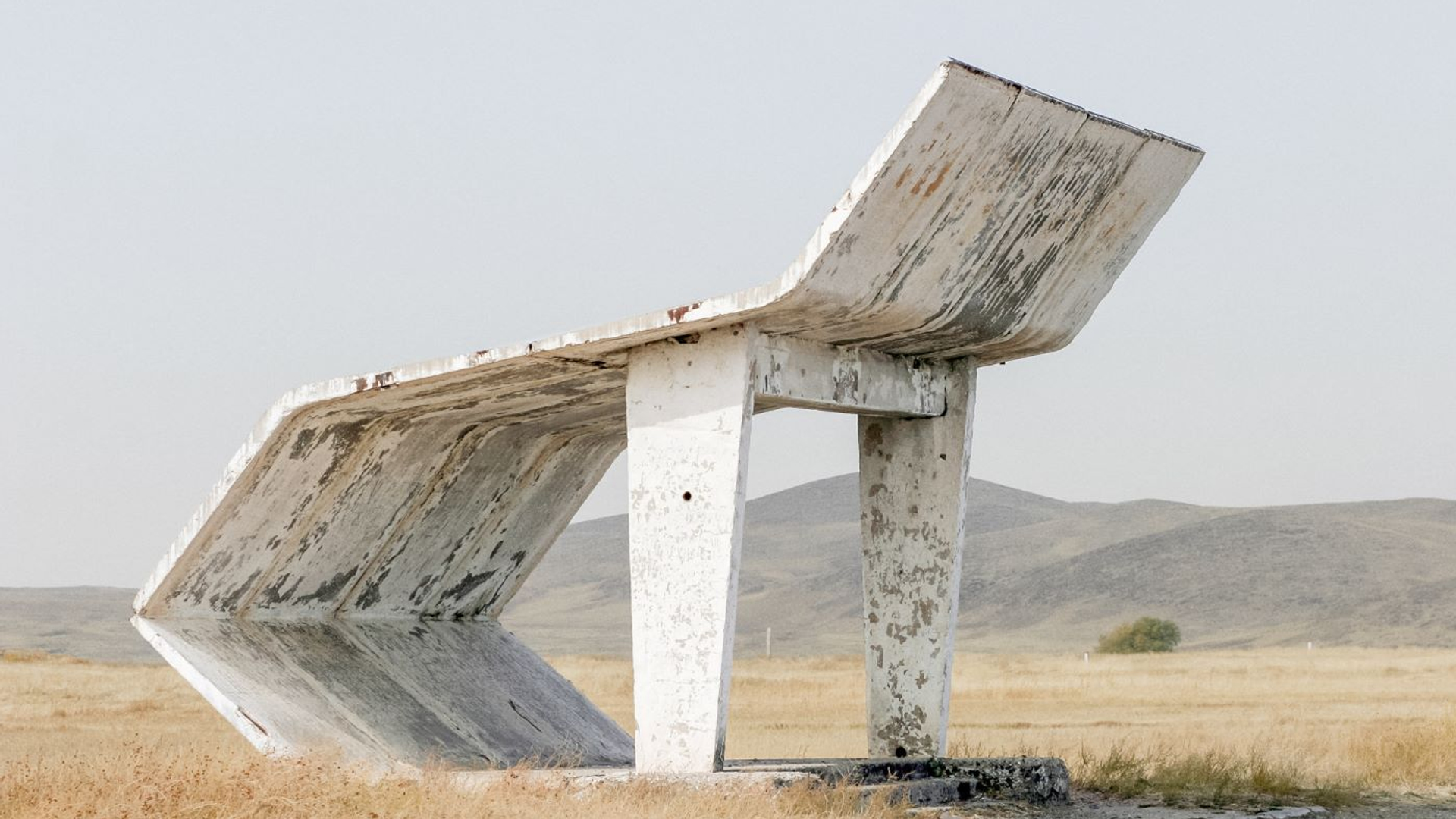
More than fifteen years Christopher Herwig searched for the most mysterious bus stops in the former Soviet-Union, in a world where everything looked alike. Thousands of them he photographed. Even though his project is officially finished, the bus stops won’t let him go.
Armed
with a camera in hand and an irresistible longing for the next find he embarks
on his journey. The sound of passing cars on asphalt fills the silence
surrounding Christopher in the focus on his bus stops. “I think this is what
I’ve been looking for.” The wind rages past as swiftly as the cars. Every possible
corner must be explored. After all, there’s only one chance to capture
this unique piece of art.
© Christopher Herwig / FUEL
Rome wasn’t built in a day
More than fifteen years Canadian photographer Christopher Herwig, who has been
travelling most of his life, captured bus stops in former Soviet countries. What
started by chance when he cycled from London to Saint Petersburg twenty years
ago, grew out to a be an enormous project that captured many’s attention.
“It wasn’t meant to be about bus stops. I made a little bit of a game for myself, to take pictures of things that were ordinary.”
– Christopher Herwig
Since
his first bus stop photo in Lithuania he has captured thousands of wondrous constructions.
By now Herwig is two books, a movie and a search for a new project richer. The
enormous diversity of the stops shows the creativity of a suppressed society. According
to Herwig, showing that something so ordinary can be especially beautiful is the
best thing about it. Mind you, if you want to see the bus stops, there’s a
rush. They’re being demolished or replaced piece by piece. So it's quite the
race against the clock.
© Christopher Herwig / FUEL
Step by step
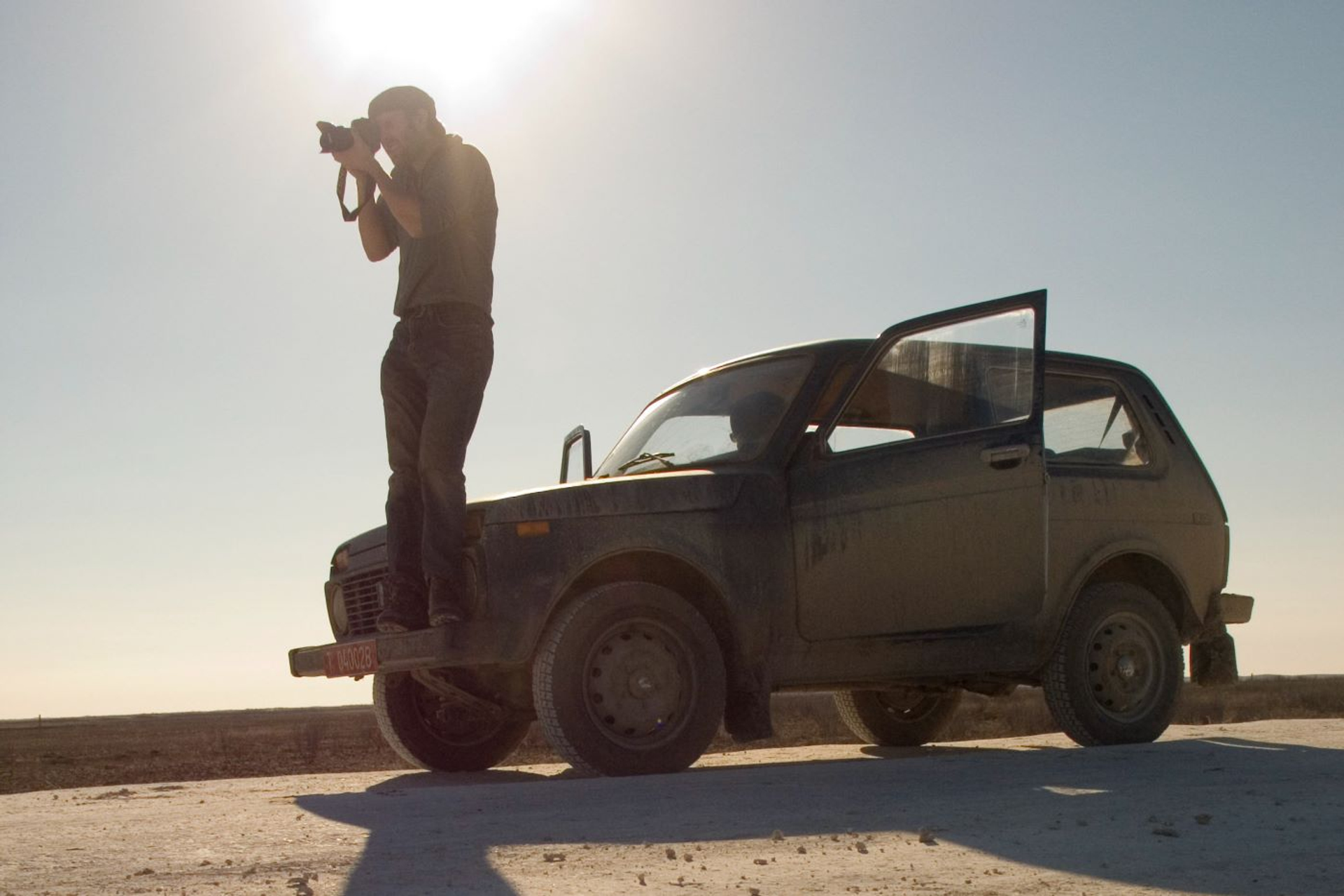
But how did Herwig find his infamous bus stops? A fascination turned into a
treasure hunt because there are no indexes. There’s no list or map of bus
stops to be found anywhere. The search was physical. All the bus stops Herwig
photographed he found himself. He used a combination of online maps and tips to
try and track down as many bus stops as possible digitally. Then he really hit
the road. “I’ve been in fifteen countries,” he says. Add more than fifty
thousand kilometers to that and you get an idea of the dedication Herwig had for his project. Unfortunately, his hard work was not always rewarded with the
bus stops that were so valuable to him. It often happened that the stops were
already demolished by the time he arrived.
“Even in my dreams at night I’m driving, searching. Finding weird, magical creations that I long for when I wake up.”
– Christopher Herwig
New outlook
Herwig is very focused on how we view the world. He wants to handle details more
consciously. The
bus stops were the beginning of this. “I would find more and more, until this ended up
sort of being my reason for travelling.” According to Herwig it’s an amazing way
to see places you would normally not have visited. He’s glad that the documentary
gave him the chance to see and show the people behind the bus stops. “That
was one of the things that always drew me to the bus stops. There was a bit of
a mystery for me of how this was possible or how they were made,” says Herwig. “To
get a little bit of insight from the actual creators I think really adds to the
color of the story.”
© Christopher Herwig / FUEL
Matter of perspective
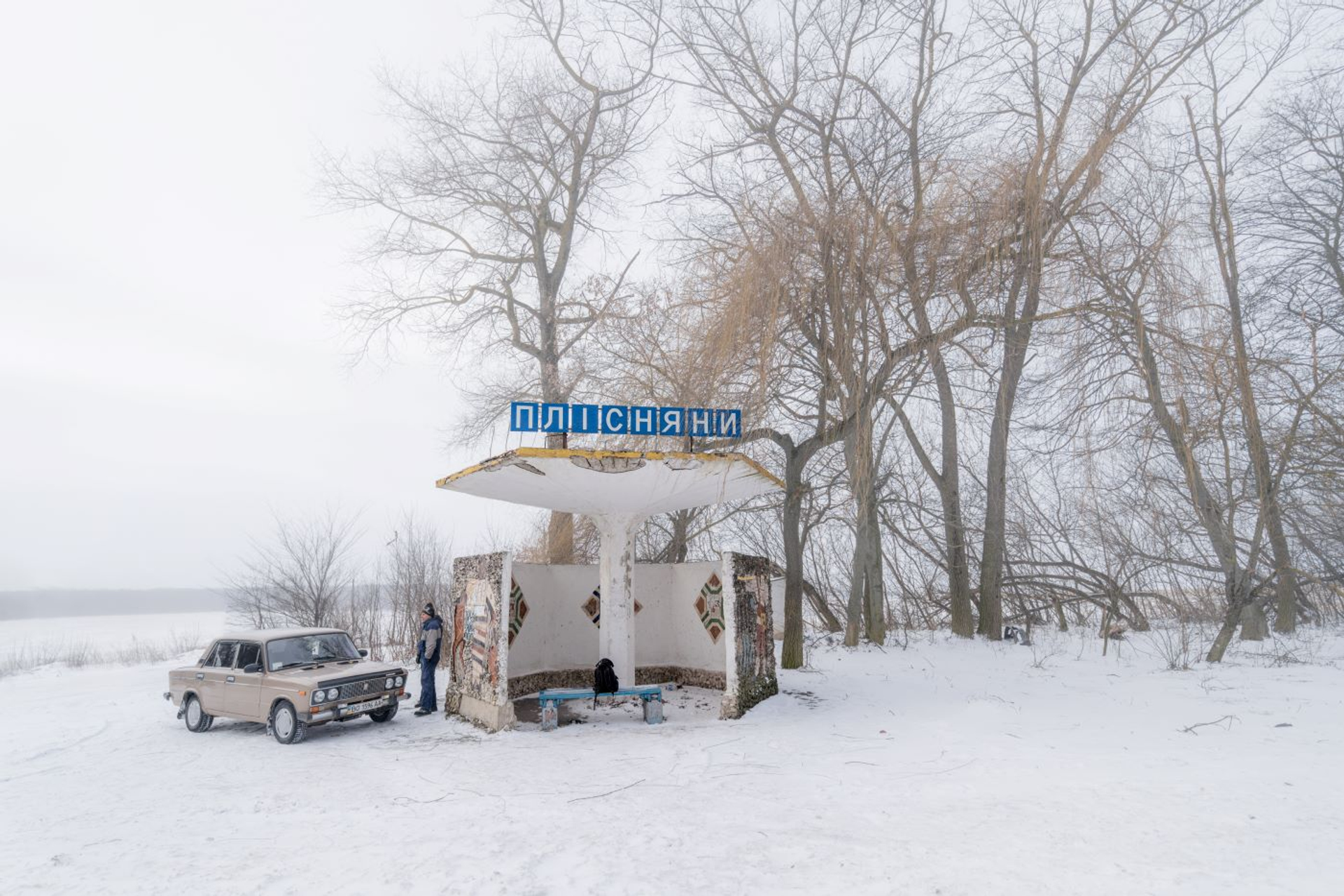
Although the bus stops are beautiful and special from a Western perspective,
for many they are a painful reminder of the Soviet past, according to Herwig. A
lot of times people don’t understand why he photographs them. “When people
would see me photographing them they would say: ‘What are you doing? You’re
making fun of our community by showing this broken down bus stop,’ and I’m like:
‘No! This is really cool, I think it’s amazing!’’ The reason people went crazy
with the bus stops, is because they were seen as ‘subordinate architecture’. They
were simply not important enough for the state to drown them in rules and regulations. This
left space for artists, architects and local residents to turn these boring, monotonous
bus stops into fantastic creations.
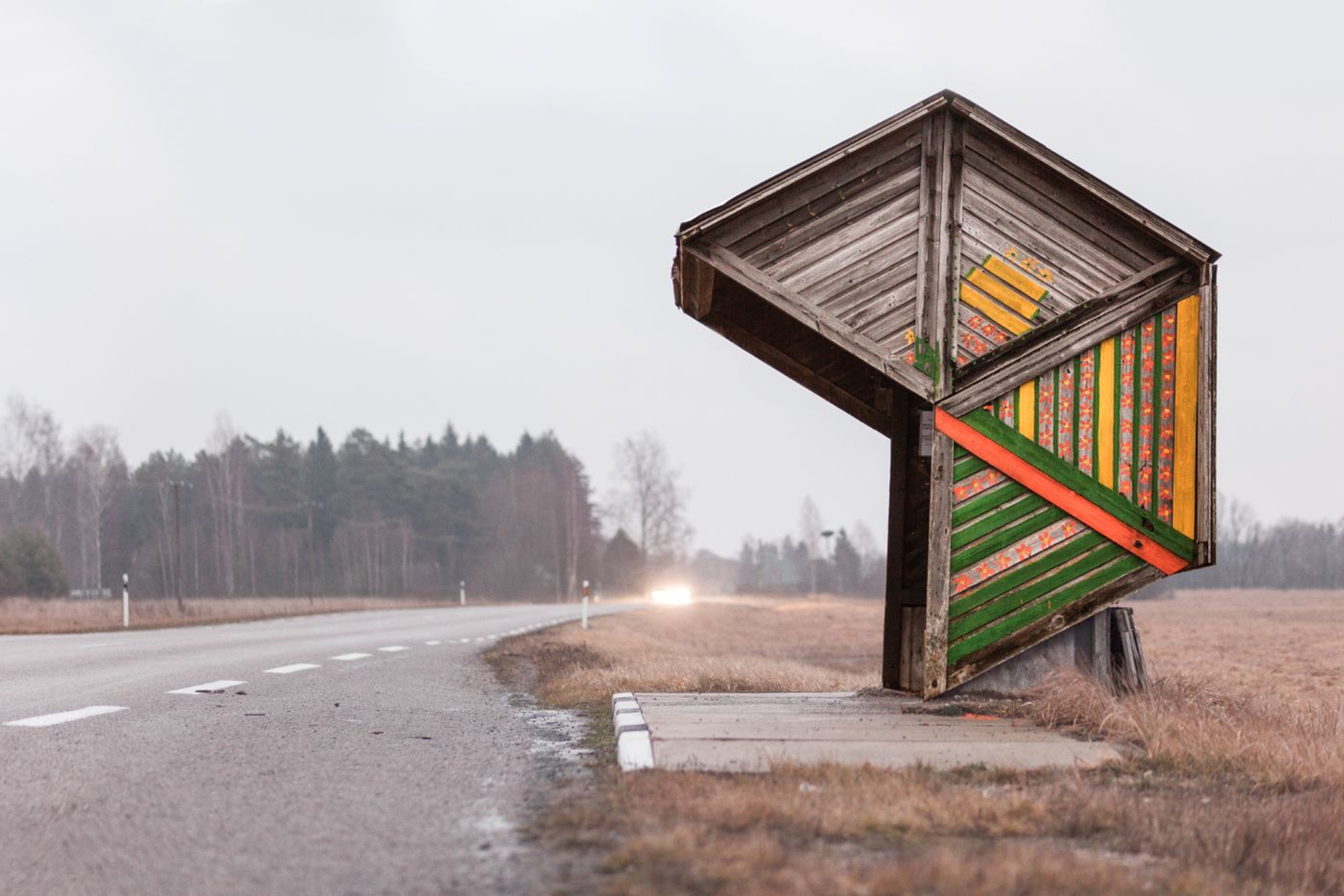
© Christopher Herwig / FUEL
Love for the outsider
By now the bus stops are part of the Canadian. He still dreams about them. Even now that he’s working on other projects, it
follows him. If by chance he’d be close he would for sure start looking again. “If
I was in one of the countries, I couldn’t help myself. It’s so much fun.” You can hear the excitement in his voice. W ith so many stops
photographed you could say it's impossible to pick a favorite, and it is. Still, most of his
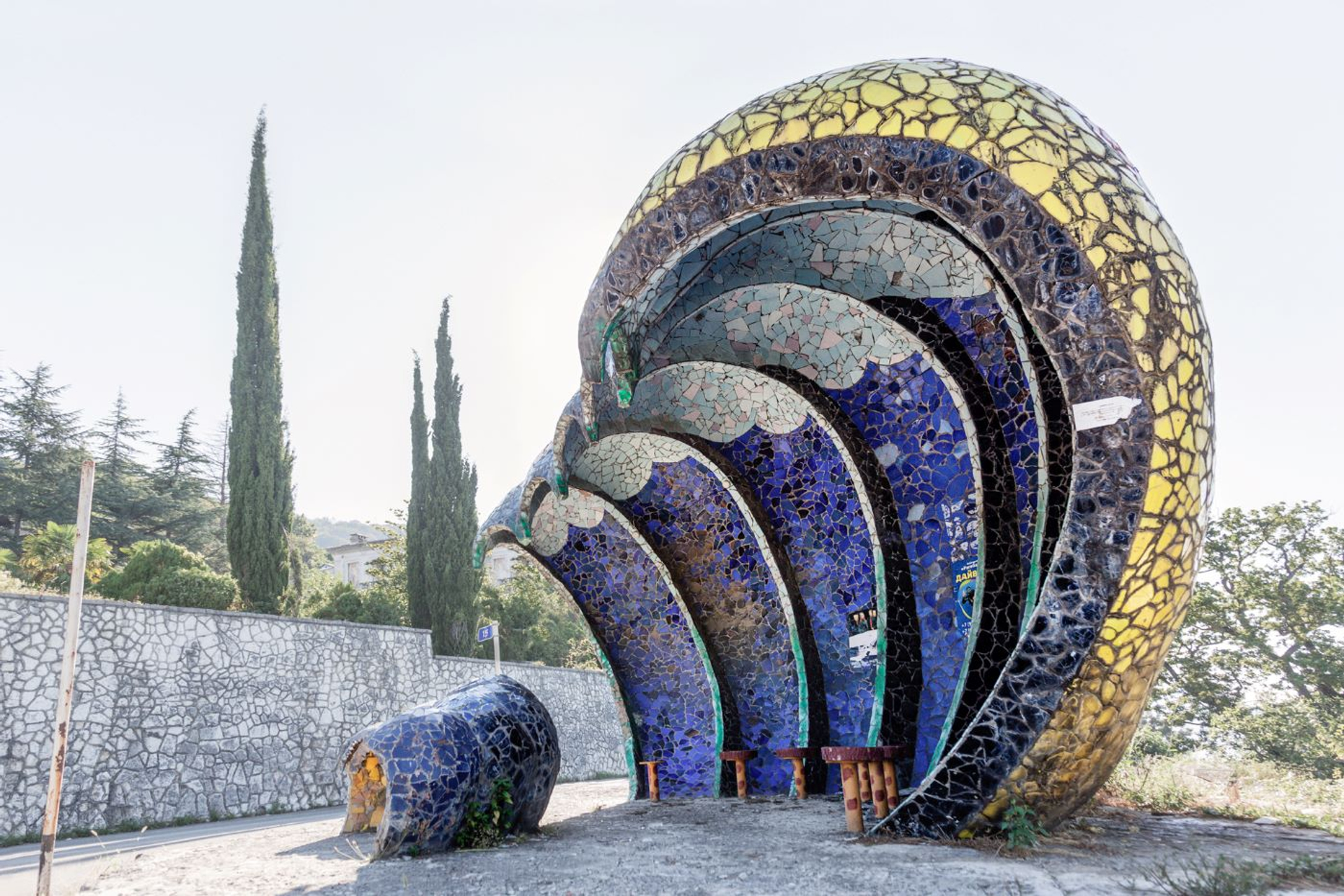
favorite stops have one thing in common. Their remoteness. “The most special
creations are often hardest to find. As if they don’t want any attention.”
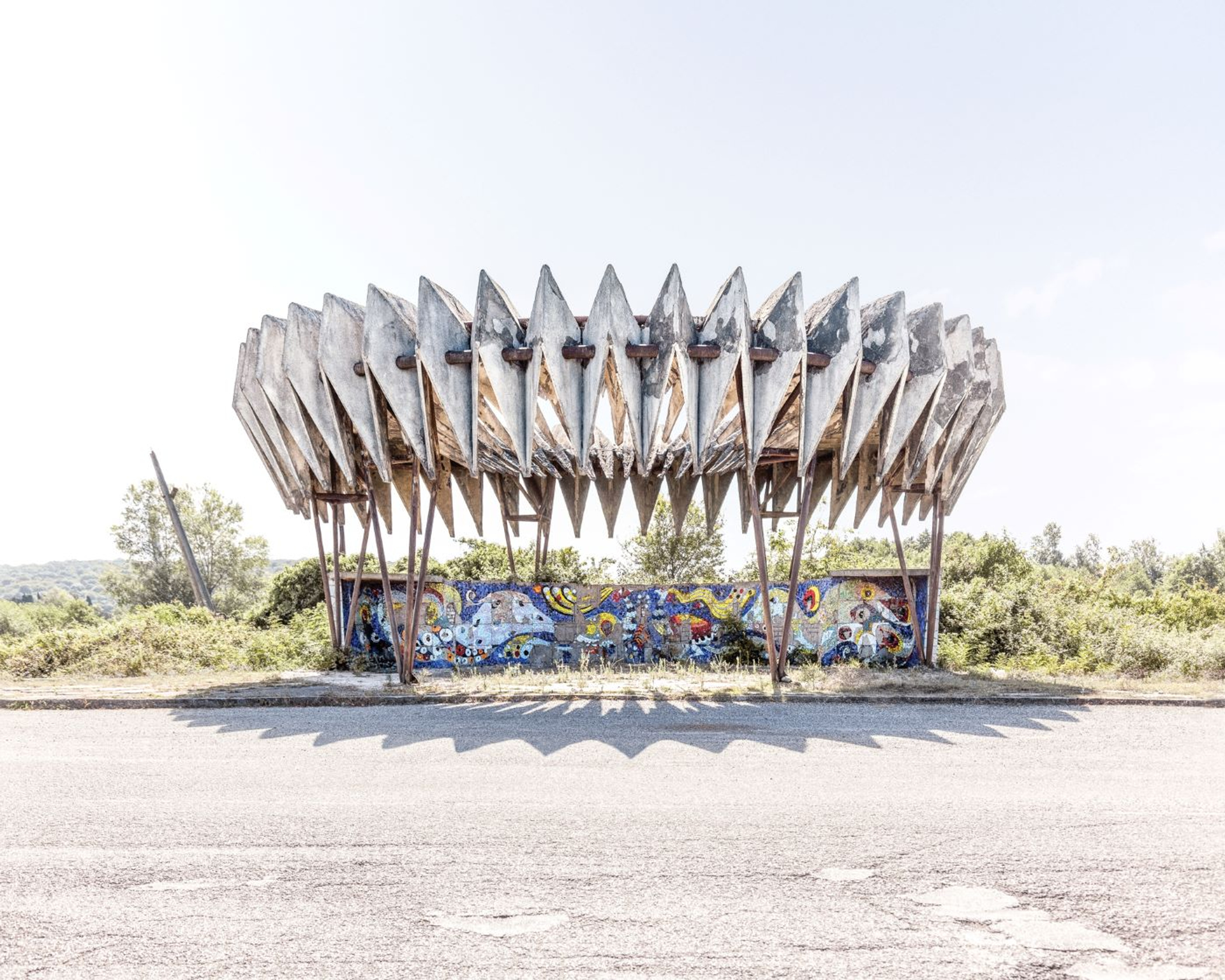
© Christopher Herwig / FUEL
You never know, until you try
All beginnings are difficult, they say. When Herwig wanted to publish a book for the first time, he didn’t get positive responses from the publishers. Only after
starting a crowdfunding, they wanted to work with him. Did he learn anything
from the project? “I’m not a hundred percent sure I did learn anything from it. I
am even more cautious now because I’ve had a successful project. I worry that
the next project won’t be as successful.” He thinks it’s good to talk to others
about it. “I tell people what I told you, but then I don’t always actually
believe it myself.’’ Herwig laughs. “I need to listen to myself more: if you’re going to do a project, it
has to be for yourself. Not for likes or recognition. But the hardest
part with a crazy idea or an adventure ís that first step.”
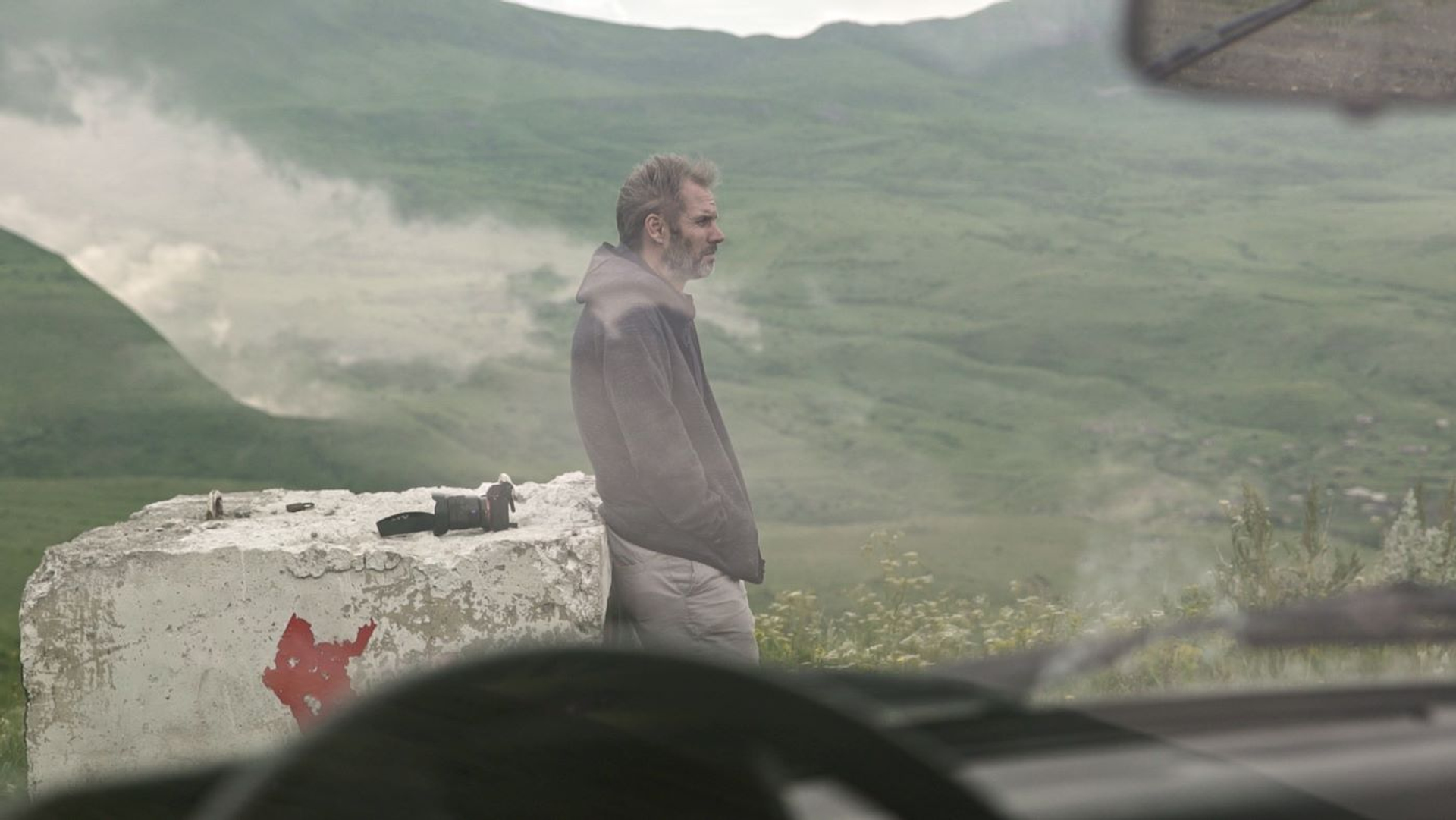
© Christopher Herwig / FUEL
Can’t
get enough of our English articles? Read about Ukrainians rebuilding their
country while partying here.
Meer over:
verlaten plekken, armenië, georgië, reisfotograaf, bijzonder, fotografie, oezbekistan, europa, azië